

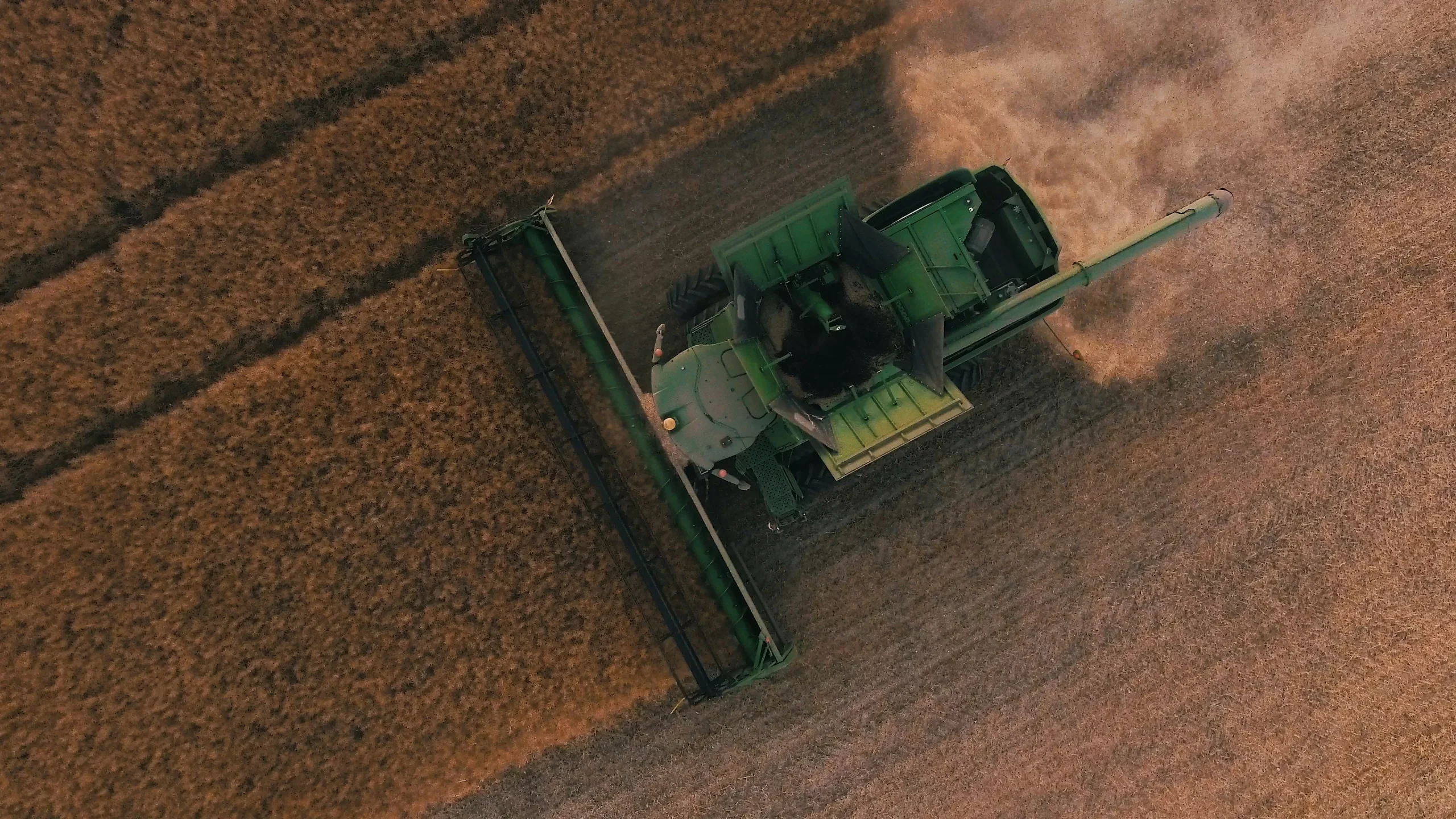
What Every Farmer Needs to Know About the PPSR – Protecting Your Stock and Equipment

Business succession planning

We move control to the next generation while you are still here to steer it.

You have built something worth handing on, and the people who would take it are ready, or nearly. What makes this hard is rarely the law. It is that you are deciding who runs the thing you built, in front of your own family, while also working out what you live on afterwards. Succession is not a transaction on a single day; it is a transfer of control that takes years and has to survive the conversations in between. Done deliberately it is the best thing you will do for the business. Left to drift it is how families stop speaking.

Successors who can actually run it

Authority transfers on a stated timetable, so the next generation is leading the business rather than waiting for permission.

Your income secured first

What you live on after you stop drawing a wage is structured before equity moves, not left to depend on goodwill.

The family told, in advance

The children outside the business learn the plan from you rather than from the estate, which is where most of the resentment is avoided.

What does passing on a business actually involve?

Transferring a business during your lifetime is a different exercise from leaving it in a will. Ownership and control can move separately and at different speeds, the transfer of equity has capital gains and duty consequences that depend on timing and structure, and the governance question (who decides what, once you are no longer the one deciding) has to be written down rather than assumed. Alongside that sits your retirement income, which usually still depends on the business for some years.

Deciding deliberately how ownership and control move to the next generation, and on what timetable. It covers the transfer structure and its tax consequences, and the governance that sets who decides what afterwards. It also covers your own income once you step back, and how family members outside the business are dealt with.

They depend on the structure, the form of the transfer and the timing. Moving equity in a company or trust can trigger capital gains tax, and duty may apply where the entity holds land. The small business concessions can matter a great deal. Eligibility is easier to preserve when the transfer is planned years ahead rather than executed quickly.

Usually by separating the business from the rest of the estate rather than splitting the business itself. Equalising with other assets, or with insurance, keeps control with the people who run it while still providing for everyone. What causes damage is not the answer but the surprise.

Commonly three to seven years from first conversation to completed transfer, because control usually moves in stages and the tax position rewards patience. The planning should start well before you intend to step back.

Ready to hand the business on?

We plan and document family business successions, from the ownership and control structure through to the governance and your retirement income.

You are not selling a business. You are deciding who runs the family one

You want to step back and let your successors take it on, and three things have to hold at once: your own income once you are no longer drawing from it, a business that keeps trading through the handover, and a family that still works afterwards. The hardest part is usually the children who are in the business and the children who are not, and the fact that fair and equal are not the same thing.

Is this your situation?

You have spent decades on this and the handover is overdue. Every time you try to move it forward you hit the same three questions: who ends up owning what, what you live on once you stop drawing a wage, and how to deal with a child who works in the business and a child who does not. You can see how it could go wrong, because you have watched it go wrong for somebody else. You want this to be the last good decision you make for the business, not the first move in a family dispute that unpicks the lot.

What's included in your business succession service

How a succession drifts

Successions rarely blow up. They drift. The founder holds on a year longer than intended, then another, because no date was ever fixed. The successor who was ready at 35 is still waiting at 42 and has started looking at what else they could do with the decade in front of them. The energy that built the business quietly leaves it.

Then the transfer happens under time pressure, or at death, and the tax consequences arrive in a form that five years of planning would have managed. The family members outside the business, who were never told what the plan was, discover it at the same time as everyone else and feel entitled to argue. With nothing documented, that argument is much harder to answer. The business that was meant to outlast you becomes the thing the family fights over instead.

How we run the transition

We start with what a good outcome looks like for three different parties: you, the successors, and the family members who are not in the business. Those answers often differ, and getting them said out loud early is most of the work.

From there we set the structure: how ownership and control separate, what moves now and what moves later, and what the capital gains and duty position is at each step so nothing is triggered by accident. We prepare the shareholders or unitholders agreement, the governance framework that sets who decides what, and the documents that secure your income through the transition. Where the family needs a conversation rather than a document, we say so. You end with a dated plan people have agreed to, not an intention.

Three steps to a handover that holds

From what a good outcome looks like to a dated, documented transfer.
1

Agree the outcome

We establish what success looks like for you, for the successors and for the family members outside the business.

2

Build the structure

We settle how ownership and control move, on what timetable, and map the tax and duty consequences of each step.

3

Document and hand over

We prepare the agreements, the governance framework and the arrangements securing your income, then implement the transfer.

Advisers who have sat in the family meeting, not just drafted the deed

Handing a business to your children is hard for reasons that are not legal. The legal structure is the part we can make certain; the family dynamics underneath it are the part that decides whether the structure ever gets used.

We work on family enterprise succession specifically. Two of our advisers are accredited by the Family Business Association, and ADLV Law is the Association’s State Partner in South Australia, which is a firm-level relationship rather than an individual badge. What that buys you is people who have seen how these transitions fail: too slow, too vague about authority, and silent on the children who are not in the business.

Our great lawyer guarantee

Six principles we hold to, whatever you bring us and however long it takes.

Take the time

We listen carefully to understand what you want to achieve, then step you through the advice and the documents.

Share our knowledge

We pass on as much as we can, so you can make your own informed decisions.

Stick to our knitting

We only do what we are good at, so you never pay for our learning.

Work as one team

Someone is always available to answer your question or point you the right way.

Fair pricing

A fixed or capped quote for advice and documents, so you do not carry the price risk.

It is your show

We are in it for a front row seat to witness your success, not for our egos.

Been meaning to start the handover?

Tell us who is in the business, who is not, and what you need to live on. We will tell you what the transition should look like and what it costs to do it properly.

More on this area of law

See all articles